Italy. The land of pasta, pizza, and bread.
While carb-loaded dishes are the reason for thousands of visitors to travel to Italy, daily meals of heavy cream sauces, fatty meat plates, and pasta comas weigh heavy on the stomach after a few weeks.
I hear too many visitors complain about the lack of vegetables and longingly lament for lighter choices.
As a country that’s overflowing with fresh, seasonally available produce, I find it a shame that most people are unaware of how many light, vegetarian dishes Italy provides. What’s marketed in the standard restaurant is a cuisine of carbs and animal products. But it’s far from all the country’s world-famous gastronomy has to offer.
Central Italy maintains a strong culture of foraging for food.
Spring is for wild mustard greens and asparagus.
Summer for figs and wild fennel.
Fall is when truffle hunting begins, and chestnuts fall from the trees.
Below, I’ve listed some of my favorite dishes commonly found across the country that don’t include any pasta and almost no meat. Not only do I hope to help those looking for a pausa di glutine, but to shed light on the richness of vegetarian-friendly meals in this food-obsessed country.
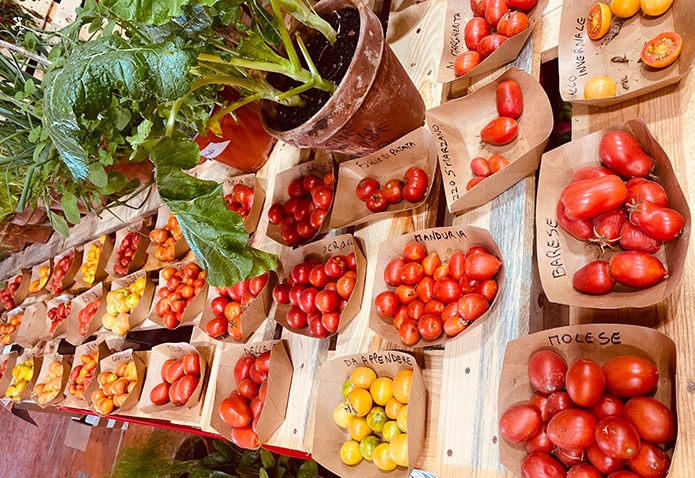
Arguably, one of the best assets of Italian cuisine is that most fresh produce is delicious on its own. Pick a tomato from the garden, slice it, add a bit of olive oil, and sprinkle a pinch of salt. You’ve made the perfect summer snack without even touching a stove.
Italians eat seasonally and based on their region.
Knowing which foods are in season around your area will help you get the best tasting prodcuts for the time. You’ll also feel more connected to all the other people around you who are almost certainly eating the same thing you are. Seasonal eating connects us to our communities and builds a relationship not just with the suppliers but with the territory that nourishes our palates.
So study up on what’s ripe, and order dishes that feature local seasonal products to enjoy the fullest flavors Italy’s cuisine can offer.
Main Dishes
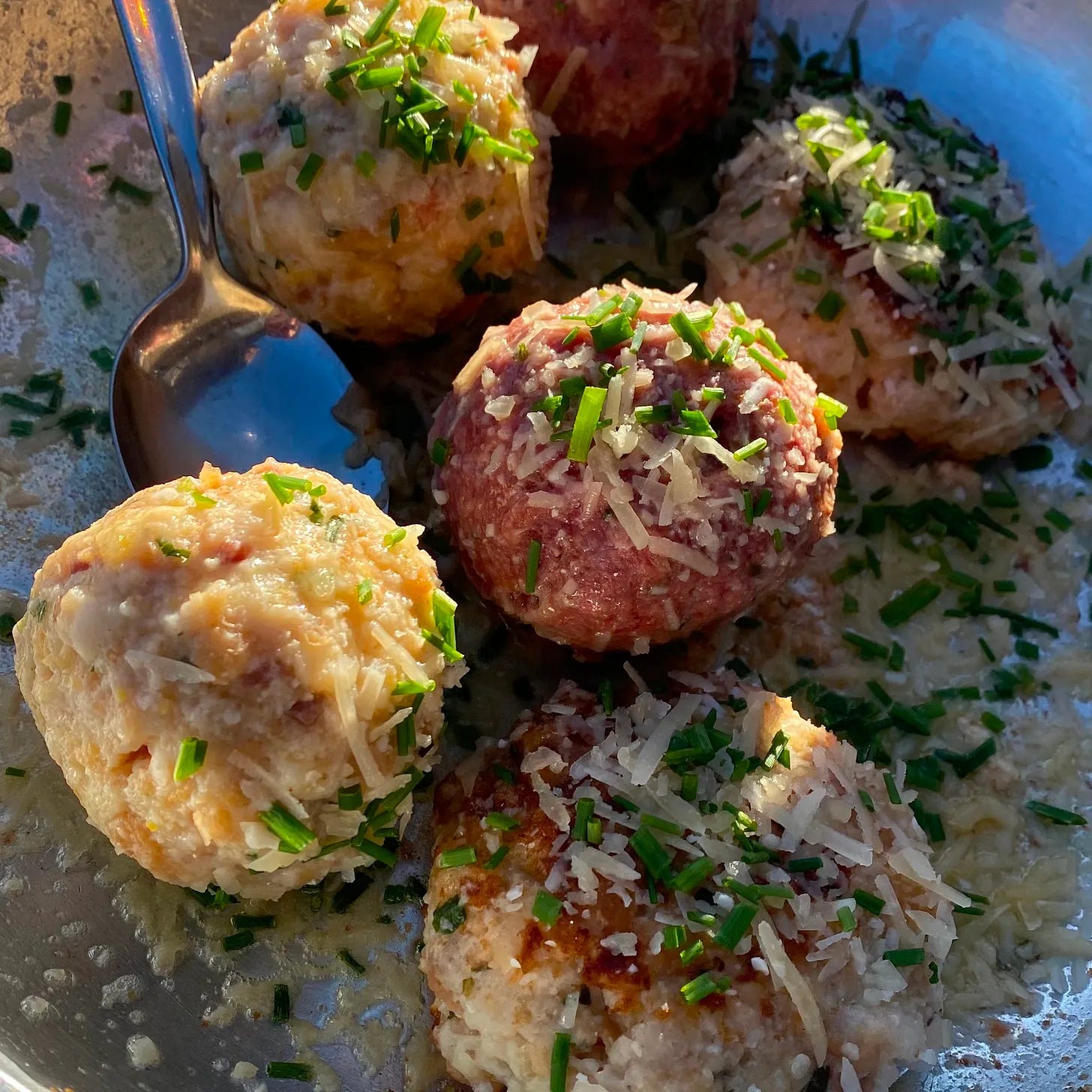
Canederli
Typical of the Dolomiti region of Trentino, these are essentially hearty dumplings that are formed with different vegetables and meats. Hearty and warm, they replenish the stomach after a long day of hiking or skiing in the Alps.
Gnudi
A Tuscan gnocchi-dumpling made with spinach and ricotta.
Polpette Cacio e Ova
Polpette are Italy’s word for meatballs, but can be made vegetarian just as easily. This version is typical of Abruzzo and combines cacio cheese with egg to make a delicious vegetarian alternative to the meatball.
Couscous
Most commonly found in the South of Italy, couscous demonstrates Italy’s cultural ties to North Africa. It’s typically mixed with other vegetables and found in rosticcerias or cafes.
Frittata
Italy’s version of the Spanish tortilla, frittata, is usually made with spinach and other veggies.
Melanzane alla Parmigiana
Eggplant Parmesan is commonly found across Southern Italy as a hearty, vegetarian main dish.
Polenta
Another Northern Italian staple, polenta is ground cornmeal that’s mixed with boiling water to create a sort of porridge. You most commonly find polenta mixed with melted cheese and bits of roast meat, but it’s just as easily made vegan.
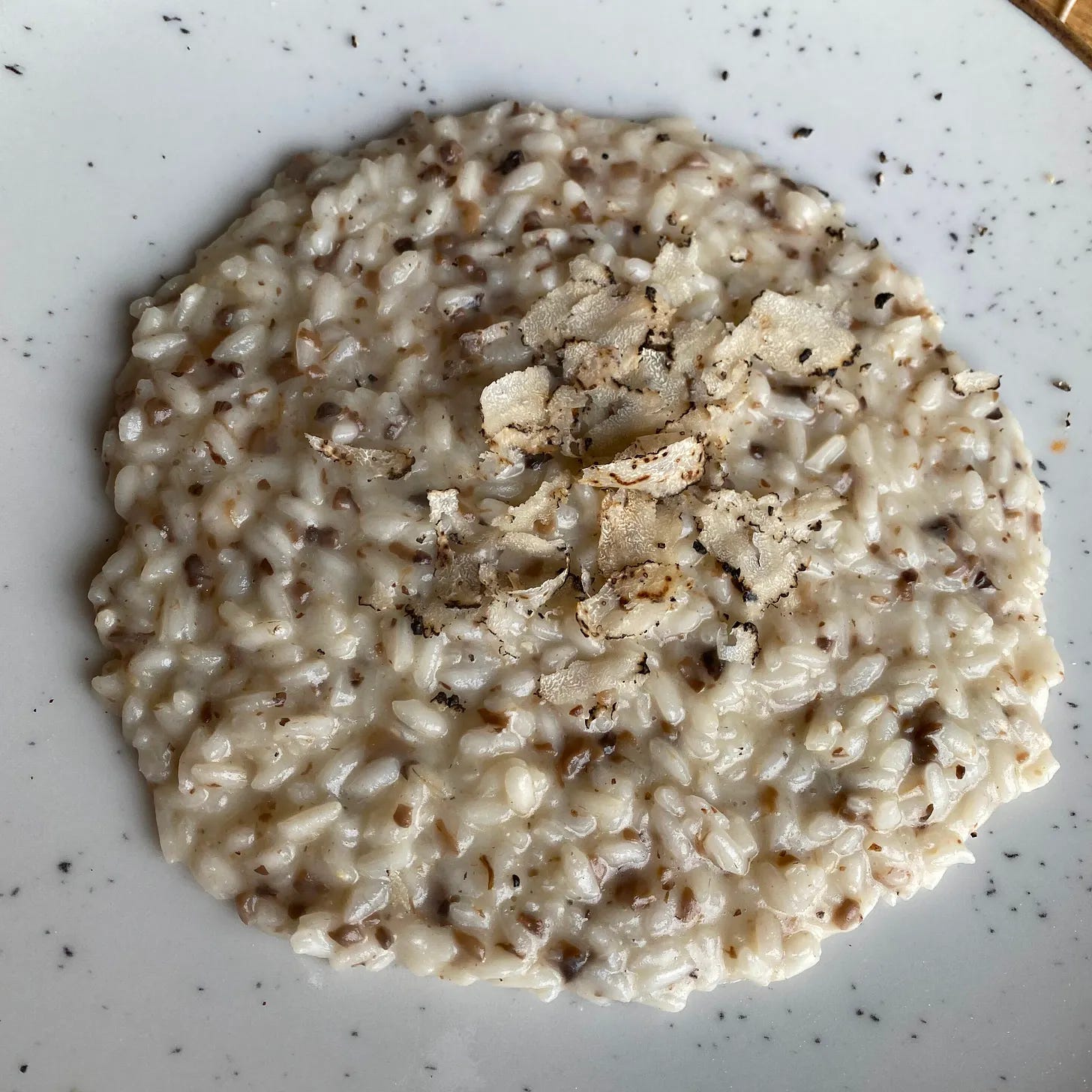
Risotto
Northern Italy is more famous for its rice than its pasta. There are hundreds of ways to make risotto, and it’s easy to find in most restaurants, especially in the north.
Soups
Zuppa di Lenticchie
Found almost anywhere in Italy, lentil soup is simple and light on the stomach. Most people add bits of vegetables and potatoes for added flavor.
Ribollita
A Tuscan kale soup full of cabbage, cannellini beans, stale bread, and other vegetables. Ribollita is typically a cold-weather dish, but you can find it at many Tuscan Trattorias throughout the year.
Pappa al Pomodoro
Another Tuscan soup made with day-old bread! This time, the bread is simmered with tomato paste to make a thick, hearty soup.
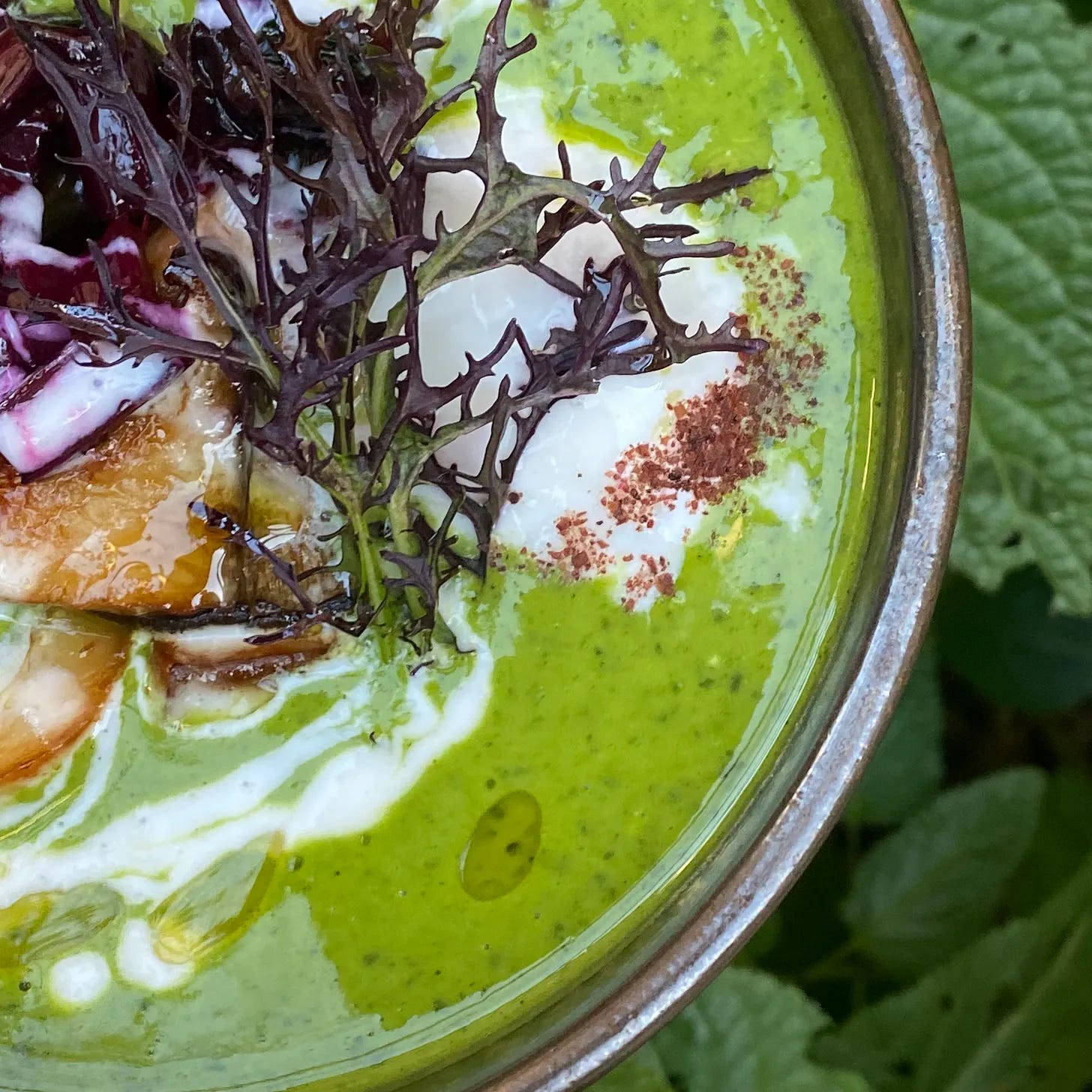
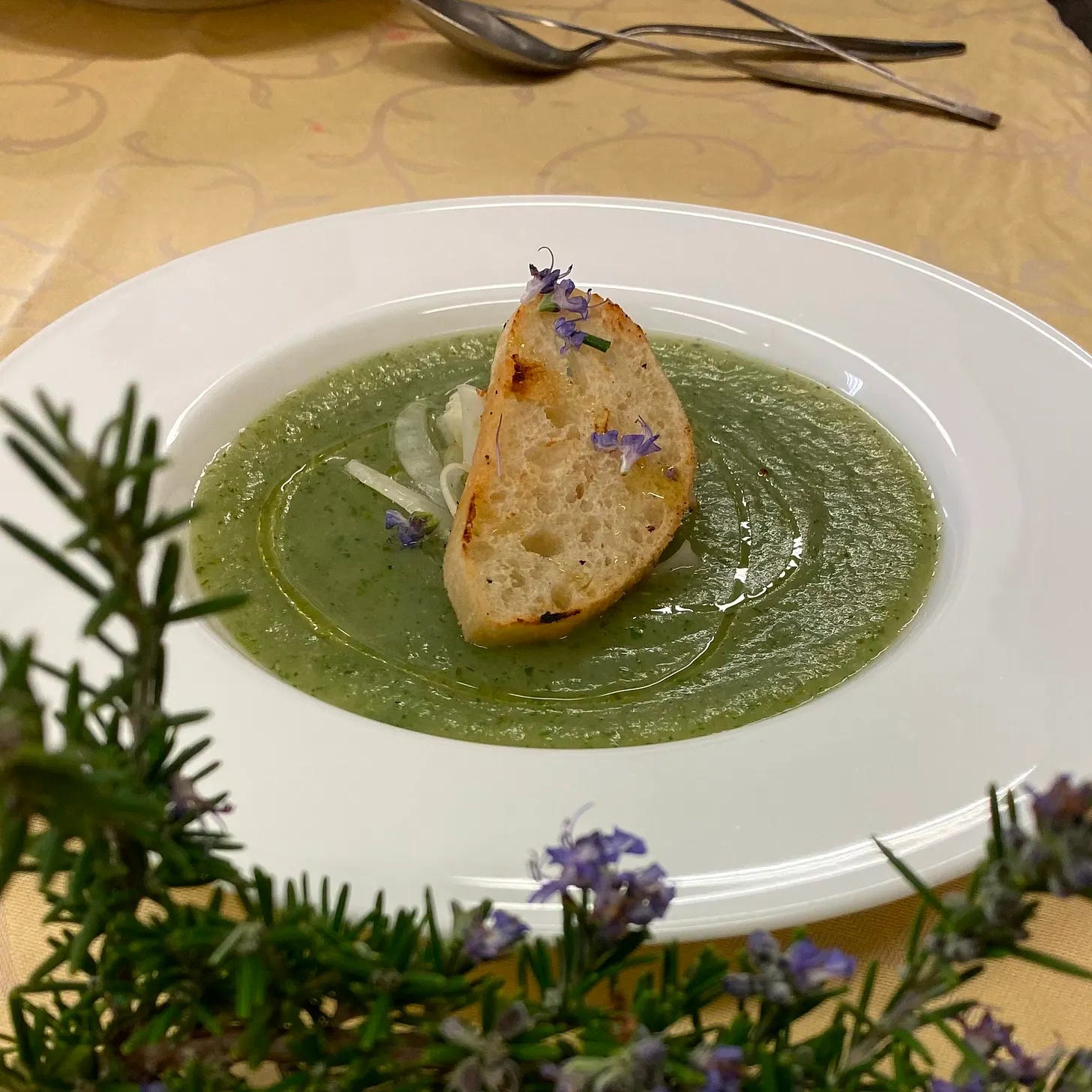
Vellutata di Lattuga
This green purée is simply lettuce and onions sauteed in vegetable broth, then blended.
Macco di Fave
A Sicilian soup consisting of blended fava beans and fennel, two ingredients sure to ease digestion and freshen the palate.
Vegetables
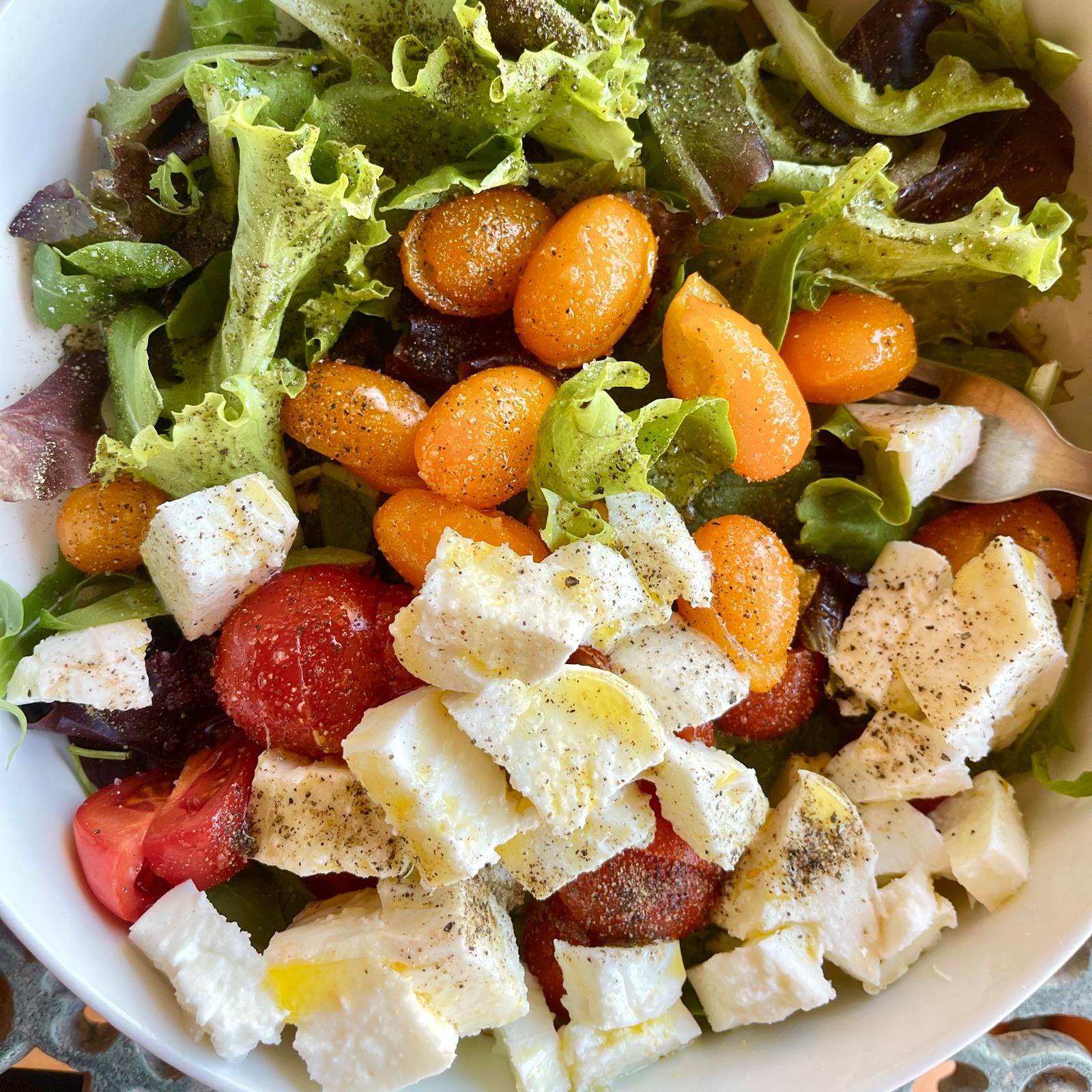
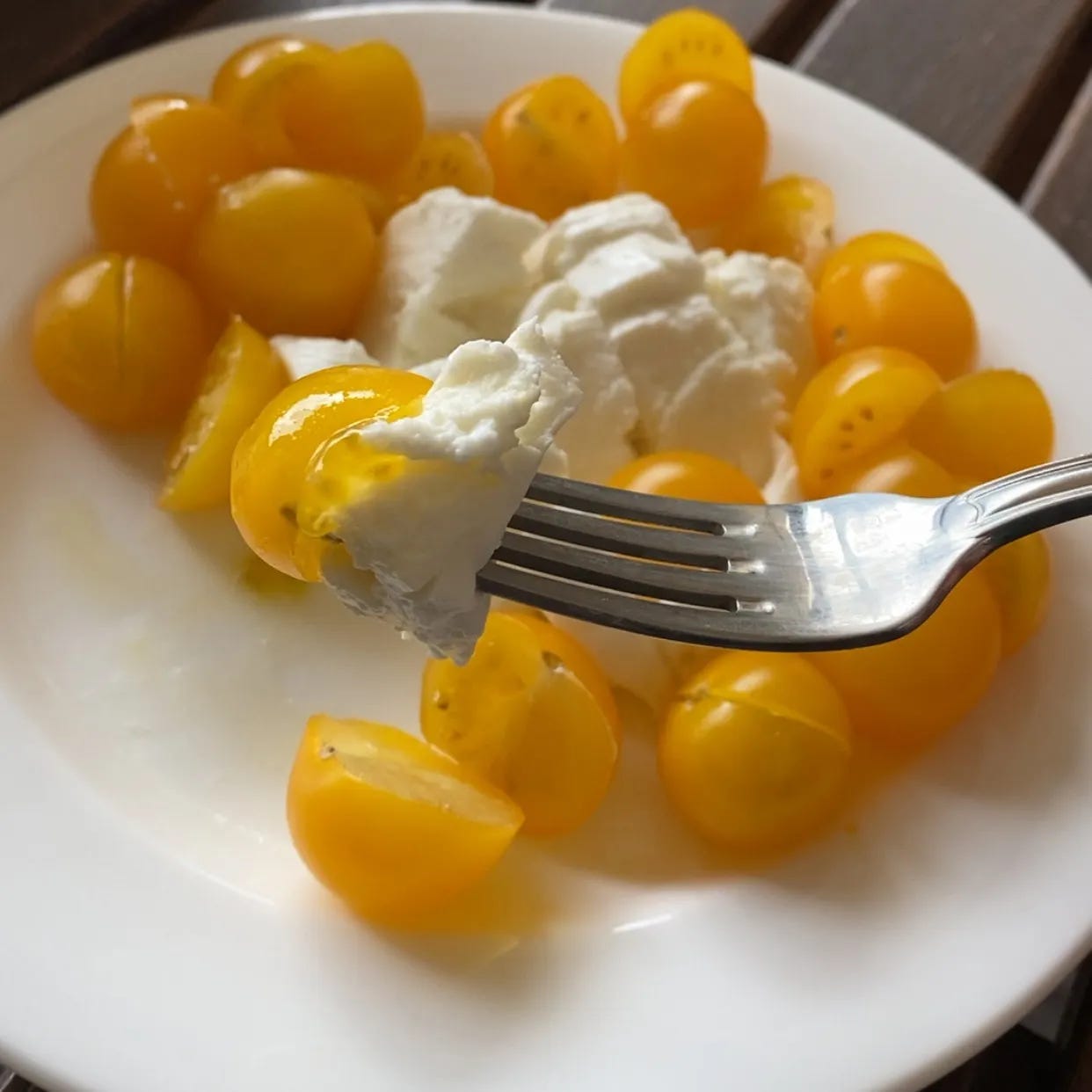
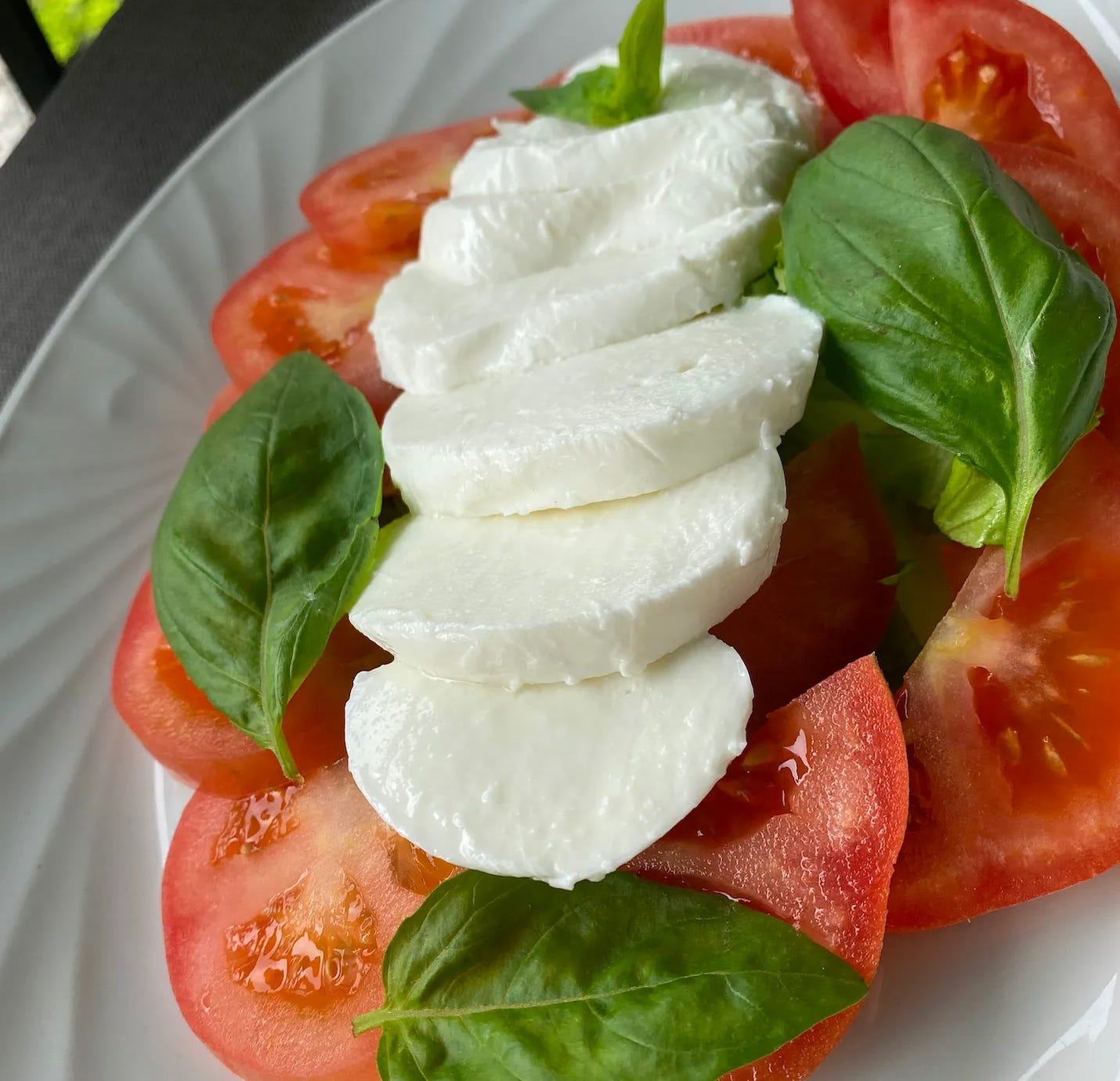
Caprese
Found in any standard Italian establishment, especially during summer when tomatoes are the freshest.
Tomato and Cucumber Salad
Use this combination of fresh vegetables as a base for any Italian summer salad. Don’t forget the olive oil and salt! Add red onion and lettuce for a fuller mix.
Fennel and Orange Salad
Fennel, finocchio, is a refreshing root vegetable that eases digestion and cleanses the system. It grows wild in the Italian countryside, and its bitter taste balances some of Italy’s heartier dishes. The fennel and orange salad blends the acidity of citrus with the neutralizing palate of fennel, making a fresh and healthy side dish.
Grilled Vegetables
Offered at any trattoria or osteria in the country in the contorni (side dishes) section of the menu.
Giardiniera
Found house-made in many restaurants or in the canned food section of the grocery store, giardiniera is a mix of pickled vegetables that include cauliflower, carrot, onion, and radish.
Zucchiene Ripiene
While most common in Liguria and Tuscany, stuffed zucchini and other vegetables are found all over Italy, usually at a rosticceria, where other types of light, ready-made sides are found. Typically stuffed with an egg and ground beef mixture, they often come in vegetarian varieties as well and are more filling than you may think.
Caponata
Sicilian side dish of sauteed veggies typical to the island. Caponata is mostly eggplant, red pepper, green olives, capers, and tomato paste.
Pomodori al Riso con Patate al Forno
Whole tomatoes stuffed with seasoned rice and baked in the oven with sliced potatoes. Generously seasoned and genuinely filling in the late evenings of summer.
Fagioli all’Uccellato
Tuscany is famous for its cannellini beans, and this version uses them in a tomato sauce cooked with garlic, oil, and basil. Typically vegan, the dish is filling and heartwarming during cooler, rainy months.
Carciofi alla Romana
A typical Roman dish that’s completely carb-free: the roasted Roman artichoke.
Panzanella
A fresh summer salad consisting of chopped vegetables and stale bread mixed with lots of olive oil and lemon juice. Panzanella originates in Tuscany and is mostly consumed during hot summer months. The bread is soaked in olive oil and lemon juice, making it much lighter for a midday meal.
Fish and Meat
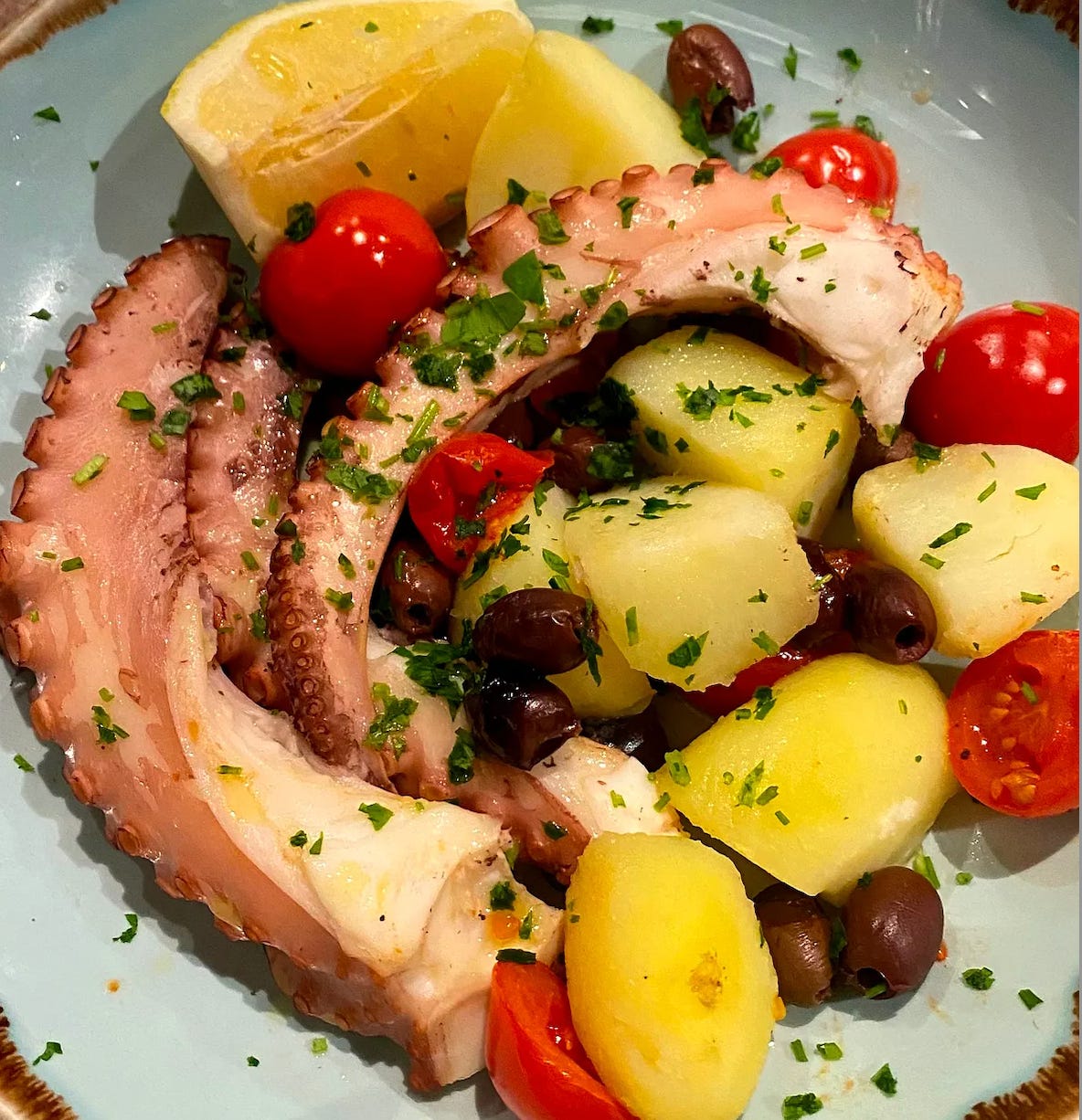
Insalata di Polpo
Potatoes, tomatoes, olives, and octopus. Insalata di polpo is most often found in coastal towns, especially on the Ligurian Sea. It’s simple, filling, and serves great as a light lunch before splashing back out into the Mediterranean.
Anchovies and Sardines
These oily fish are rich in nutrients and found all over the country for an aperitivo.
Baccalà Mantecato
This creamy dip, with the same name as the fish that makes it, is common in Northern Italy and typically served alone or with bread as an aperitivo.
Tartare
Typically made with raw cow meat, tuna, or salmon, tartare is a protein-dense dish that is fresh and filling.
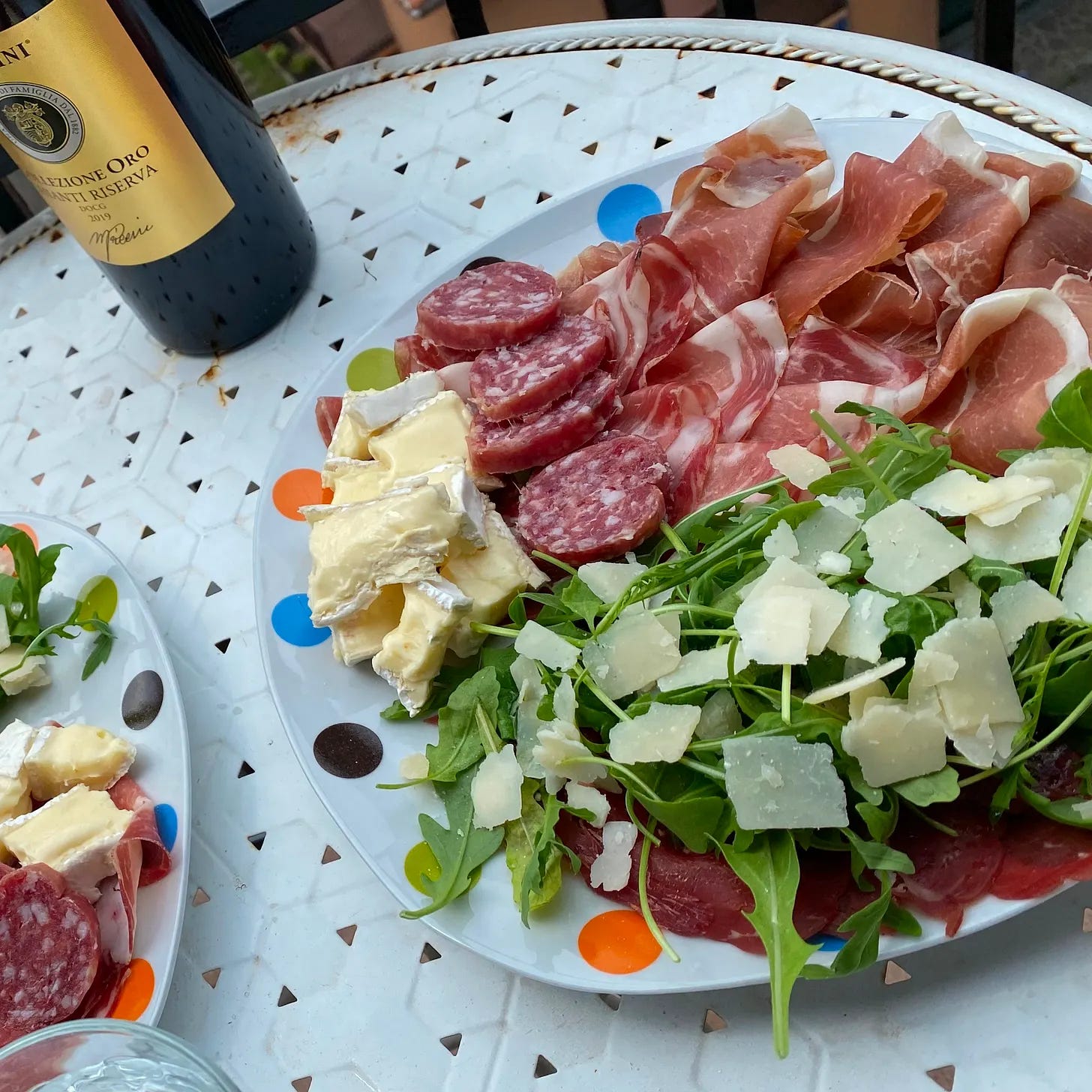
Bresaola, Arugula, Light Cheese
Bresaola is a typical cold cut from the Northern Italian region of Valtellina. Made from cow instead of pork, it is less fatty than other cured meats and tastes great paired with arugula and a softer cheese like brie or capri.
Fruit
Melon and Prosciutto
You’ll know it’s officially summer when you start to see prosciutto e melone on the menu. This classic plate is best with freshly cut melon and macelleria-quality prosciutto.
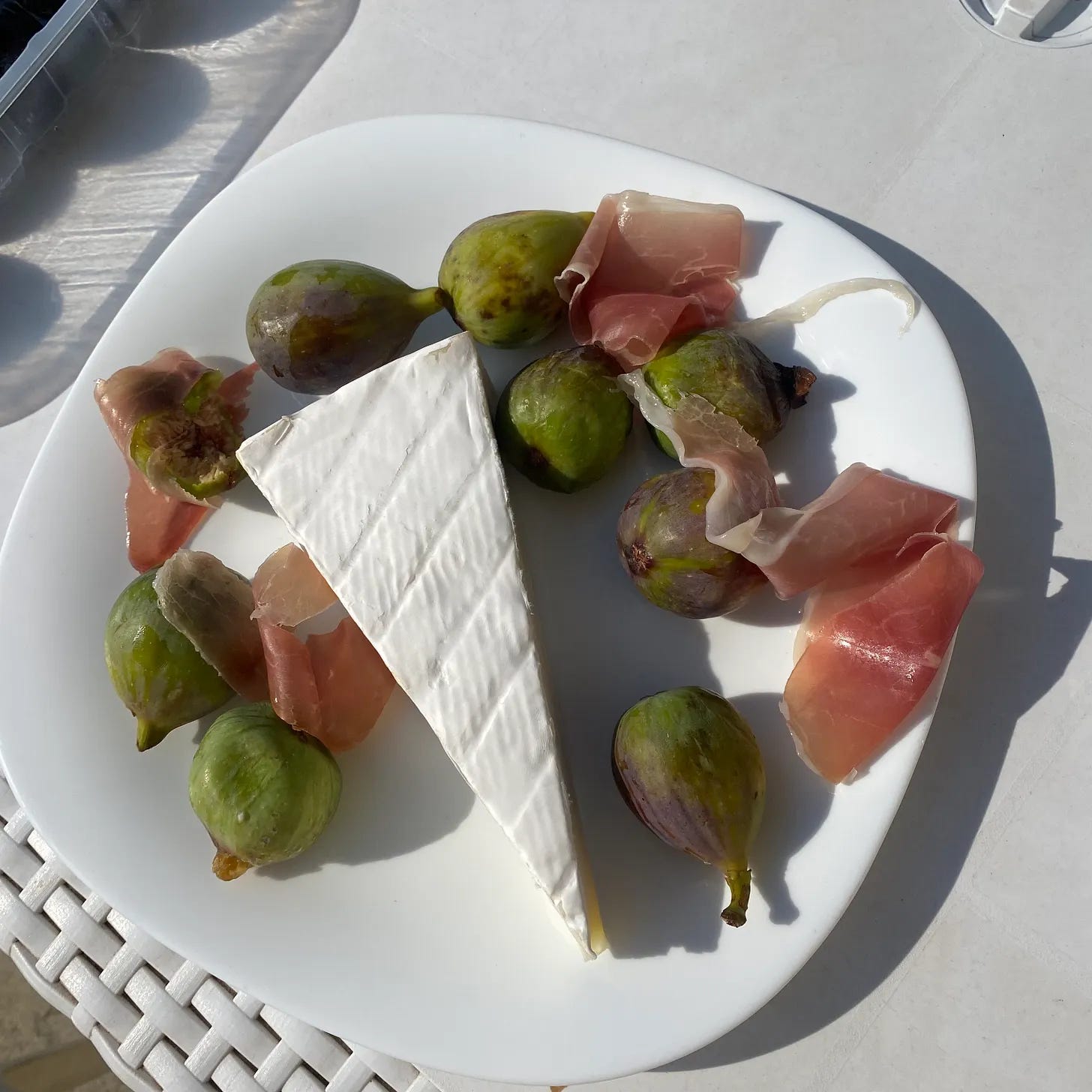
Fig and Prosciutto
Once late summer arrives, and the figs ripen, swap your melon for something a little richer. This one goes great with brie cheese or toma.
Macedonia
Italian fruit salad with fresh seasonal fruits topped generously with whipped cream.
Street food
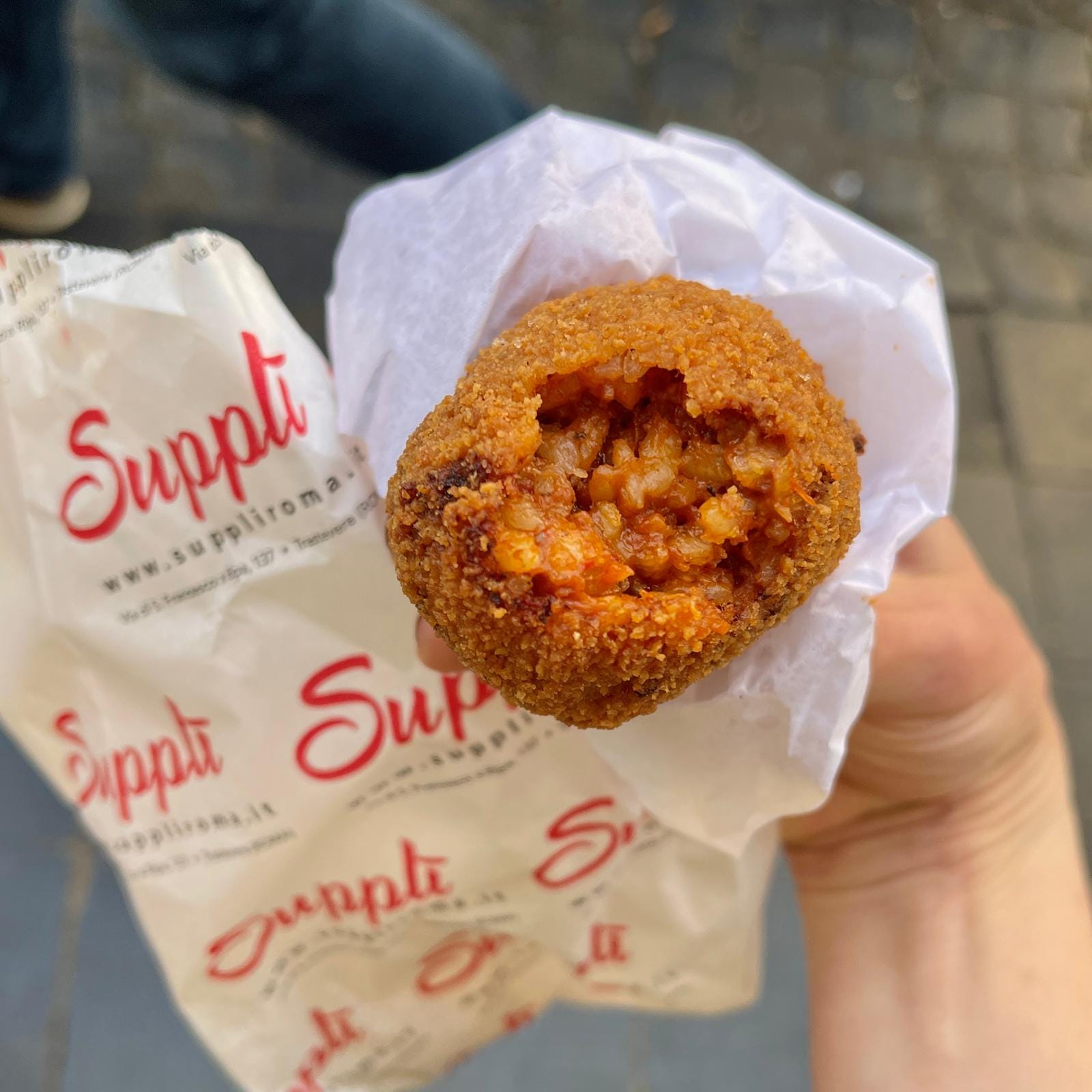
Arancini and Supplì
This iconic snack is a bit heavy due to the oil, but it offers a break from pasta without sacrificing the soul-satisfying flavor. Arancini are traditional to Sicily, but easily found even in the northernmost parts of the country.
Supplì are the Roman answer to Arancini. The main difference is that Supplì tend to feature typical Roman ingredients and sauces, while Arancini are distinctly Sicilian.
Both are traditionally made by packing day-old rice around a ragu. Another popular version is mozzarella and prosciutto cotto (ham and cheese).
Fritto Misto
An assortment of seasonal vegetables or catch-of-the-day fish fried in tempura batter. Typically served at aperitivo or late night time as a snack to hold you over for dinner or keep you going through the night.
Spiedini
Skewers of meat or vegetables roasted on an open grill. Always served hot, typically late into the night.
Farinata di Ceci
A baked type of pie made with crushed chickpeas. Typical of Liguria and found in most focaccerias.
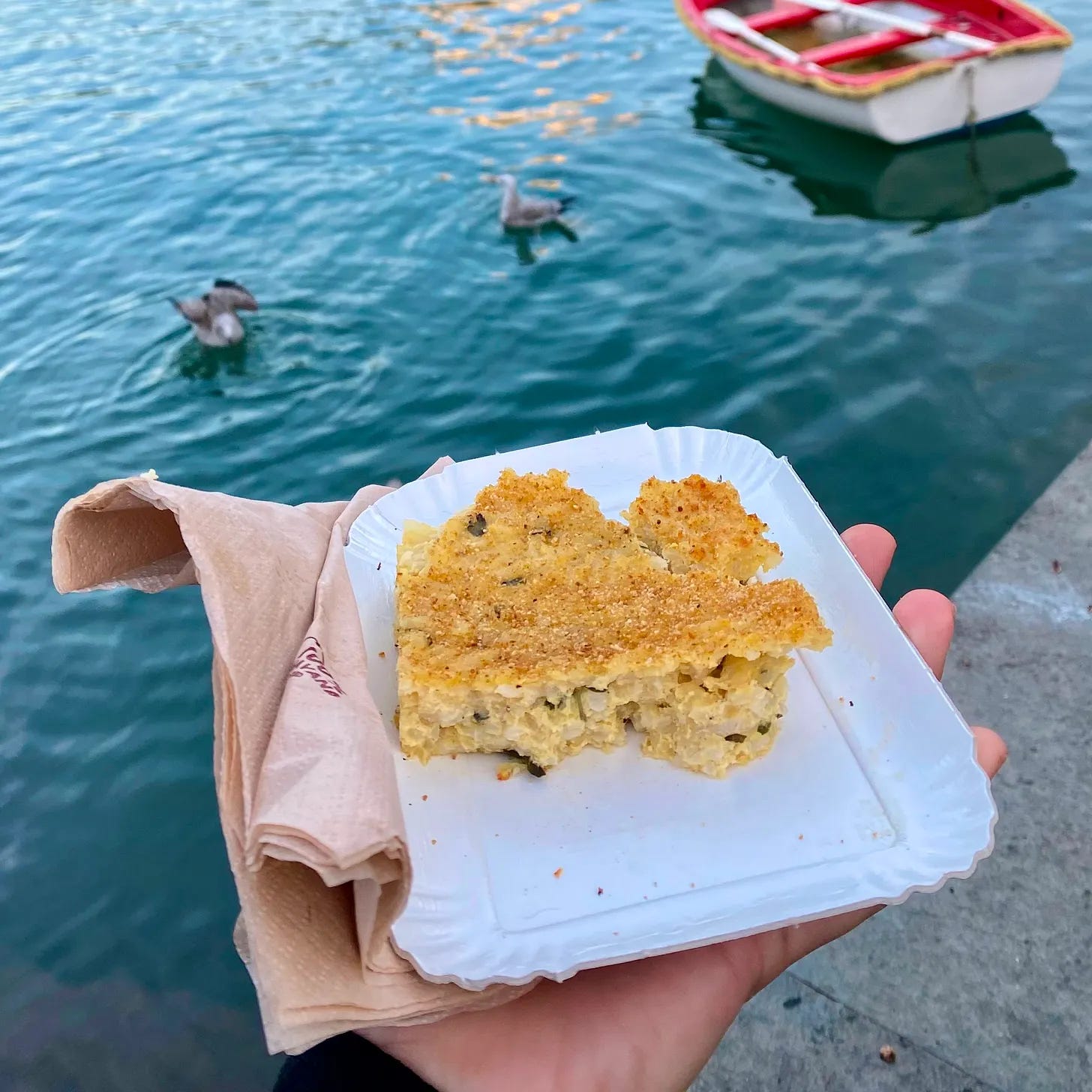
Torta di Riso
Another item from Liguria that’s commonly found at a focacceria, the rice cake is, of course, vegan and easy to find across the Mediterranean coastal towns.

Are you ready
to start?
Immerse yourself in the greeneries of Tuscia
and learn from the experts in fields.
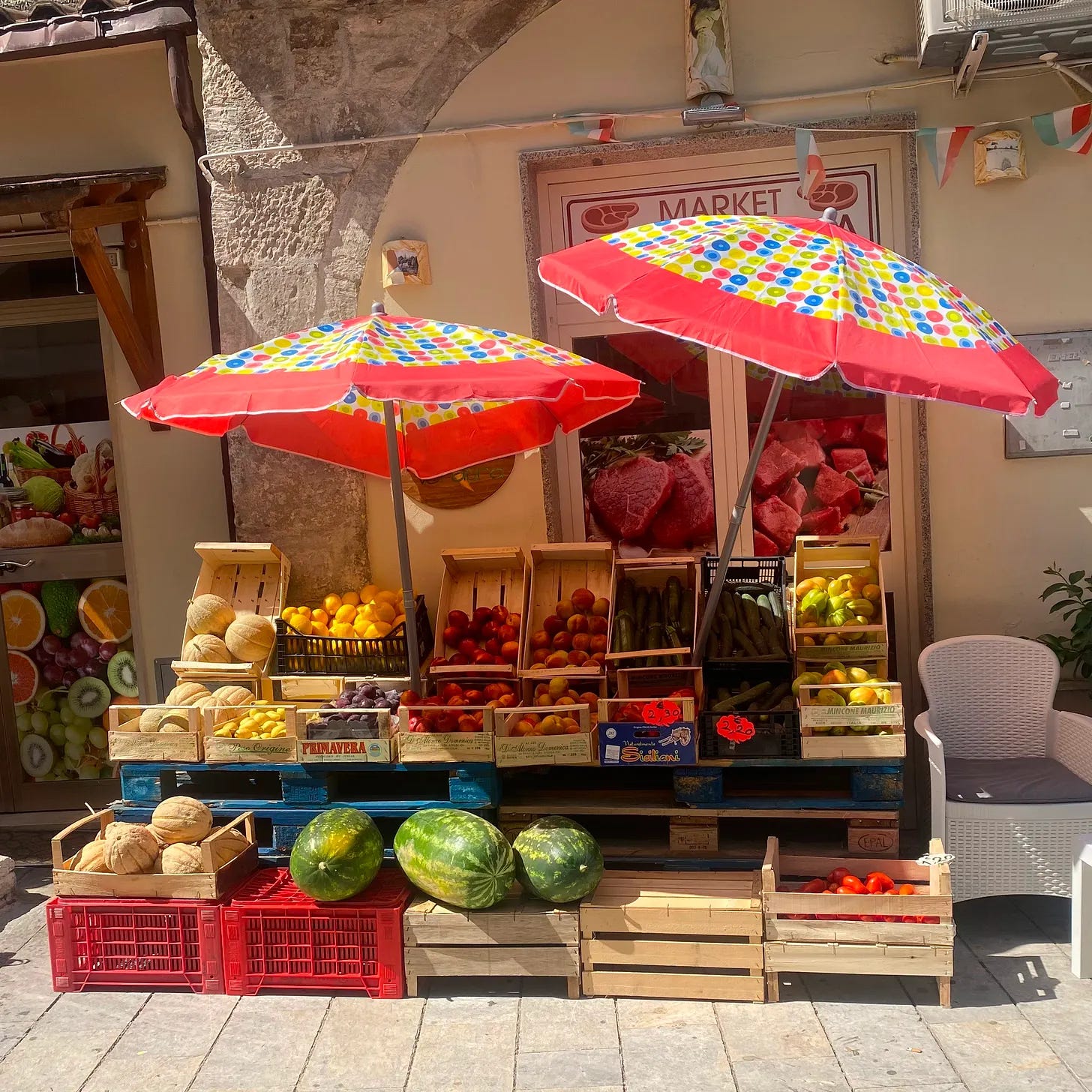
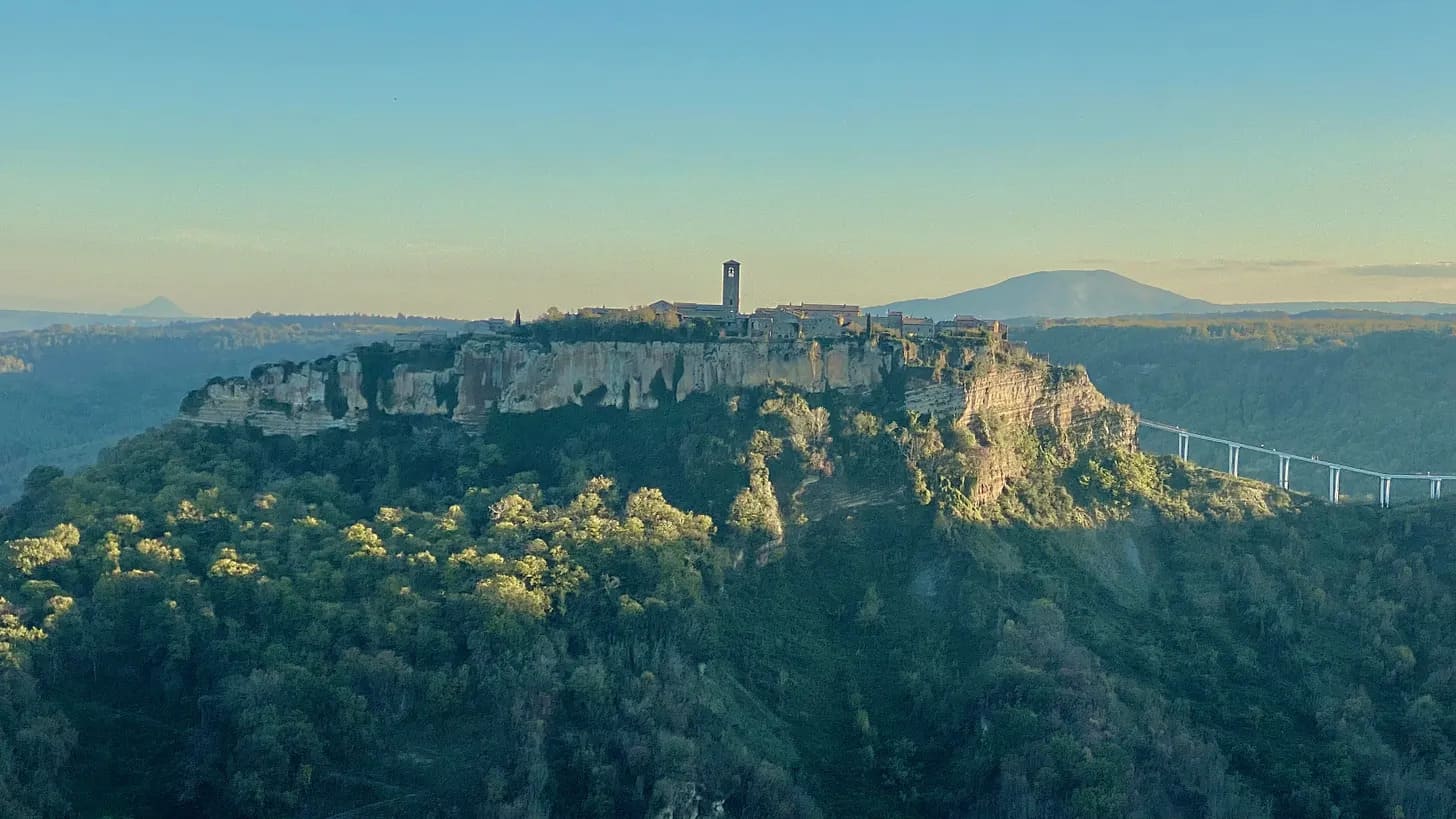
Who hasn’t fantasized about the medieval life, wandering through stone villages, simple living, rustic and wholesome food. Ideally, we remain immune to ailments like consumption and plague. Outside Rome, beyond the Elysian fields, and through the La Valle dei Calanchi, Civita di Bagnoregio withstands the pressings of time atop a crumbling rock.
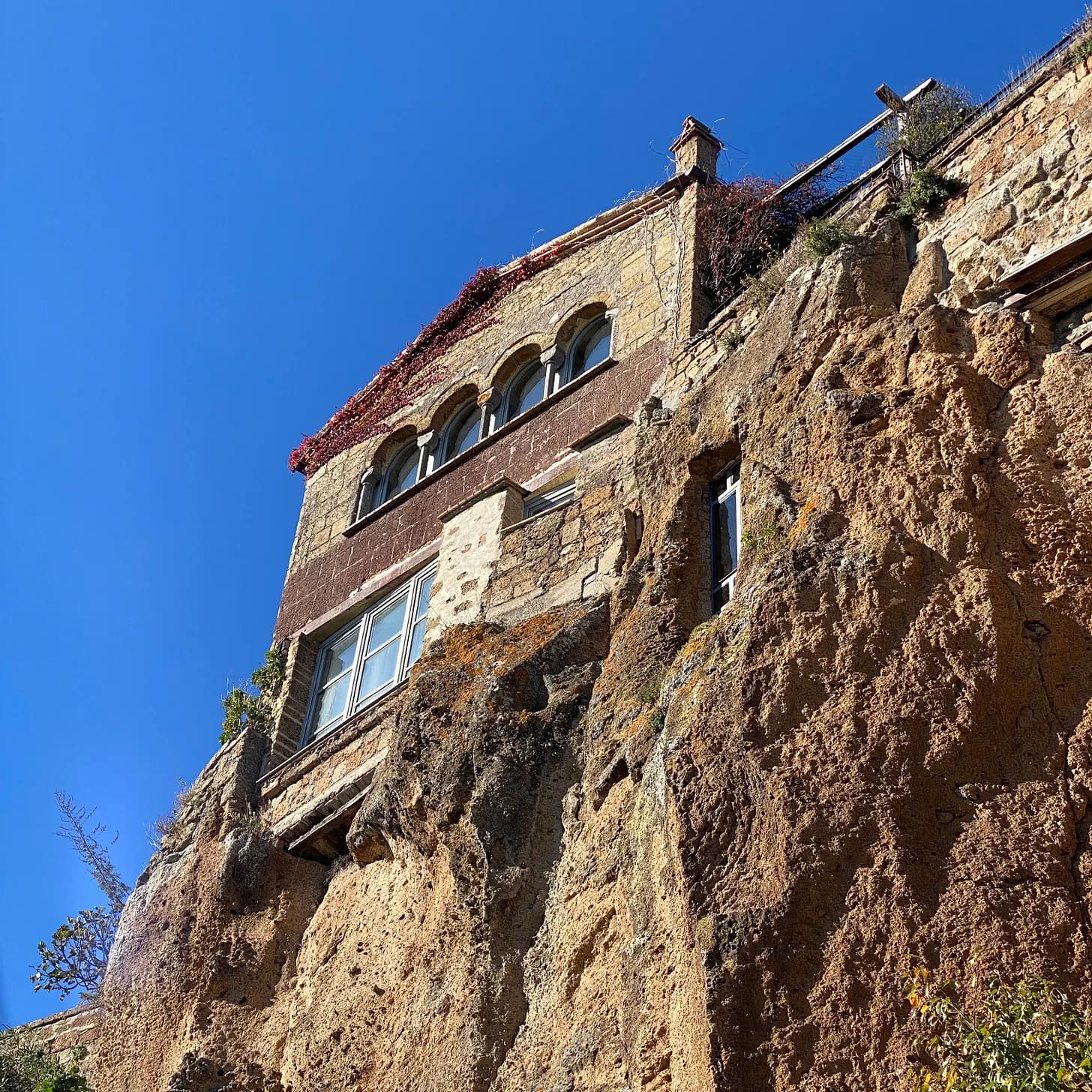
Accessible only by pedestrian bridge, the village stands alone atop steep ravines that dip into weaving canyons below. The city’s prolonged but imminent erosion gives it a rather dramatic image. Stacked atop steep cliffsides on all angles, Civita dramatically stands up against the expansive valleys beckoning below.
Formed 2,500 years ago by the Etruscans, ancient inhabitants who give Tuscia its name, Civita is known today as “The Dying City.”
Its foundation is made up of tuff soil, a type of volcanic earth, and clay, which slowly wears beneath the weight of the village.
In time, Civita di Bagnoreggio will return to the dust by which it was raised. Until then, this borgo is one of Italy’s many relics that call to an era long past.
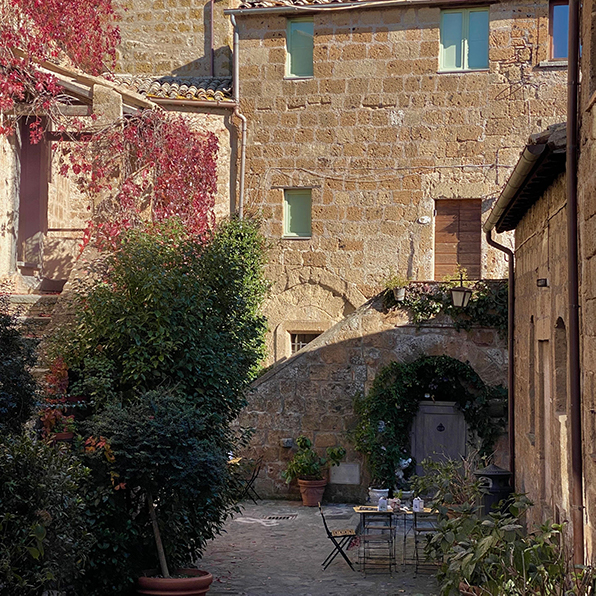
Civita can only be entered via pedestrian bridge. Open every day from 8:00 AM – 8:00 PM, visitors must pay a €5 fee before ascending the walkway. Once you pass under the Santa Maria gate, the village opens up. While the Etruscan foundations remain, all visible architecture hails from medieval and Renaissance eras.
What To See
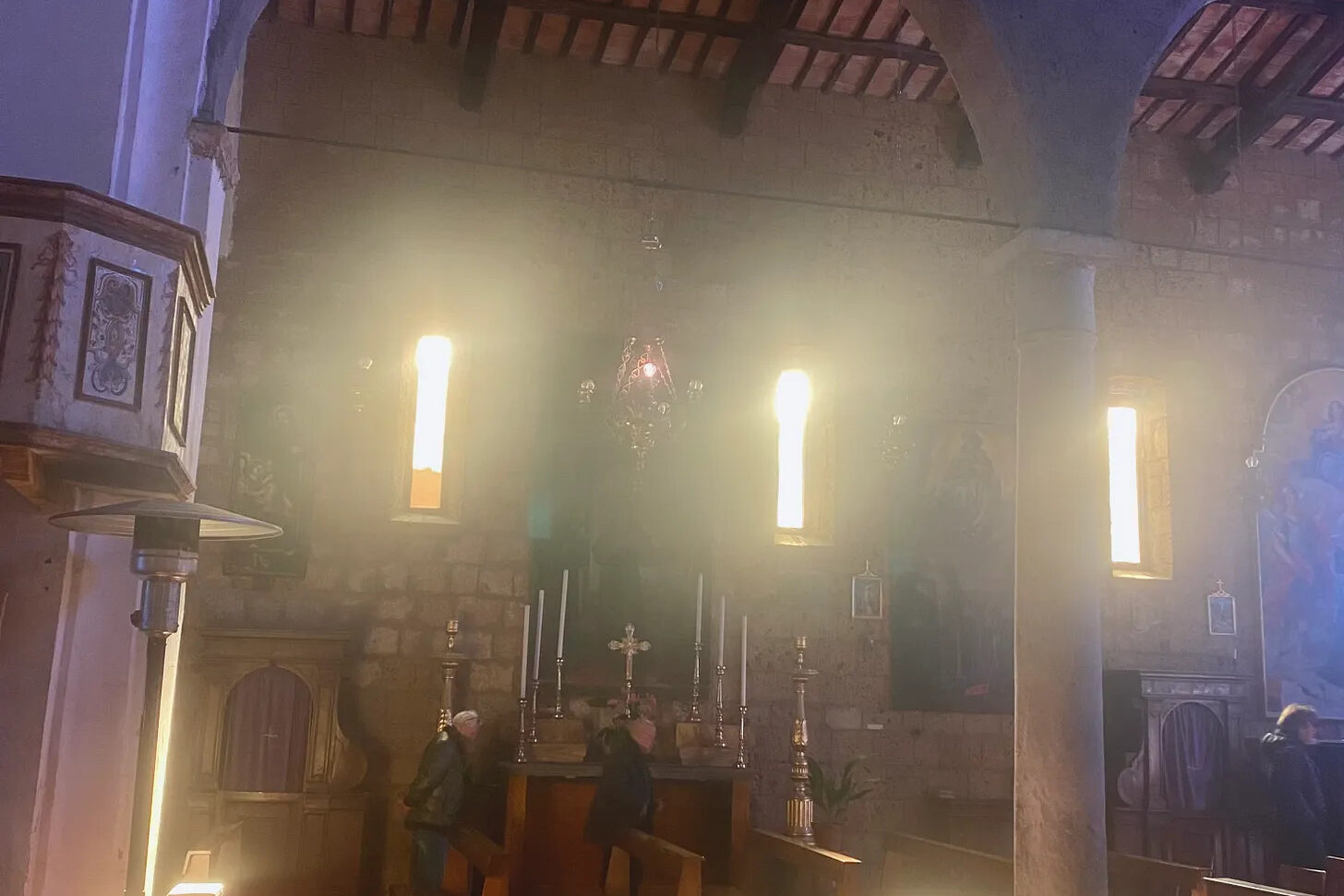
A main point of reference in Civita is the Church of San Donato. The small Romanesque chapel invites quiet awe as light filters through delicate glass windows, illuminating religious relics and fresco remains.
While on the religious walk, follow the main road out of the square to venture beneath the cliff faces. Here you’ll find La Cappella della Madonna del Carcere. Hidden within what was originally an Etruscan-dug tomb, the underground worship site offers a look both at the village’s religious history and how drastically its buildings have integrated into the very cliffsides.
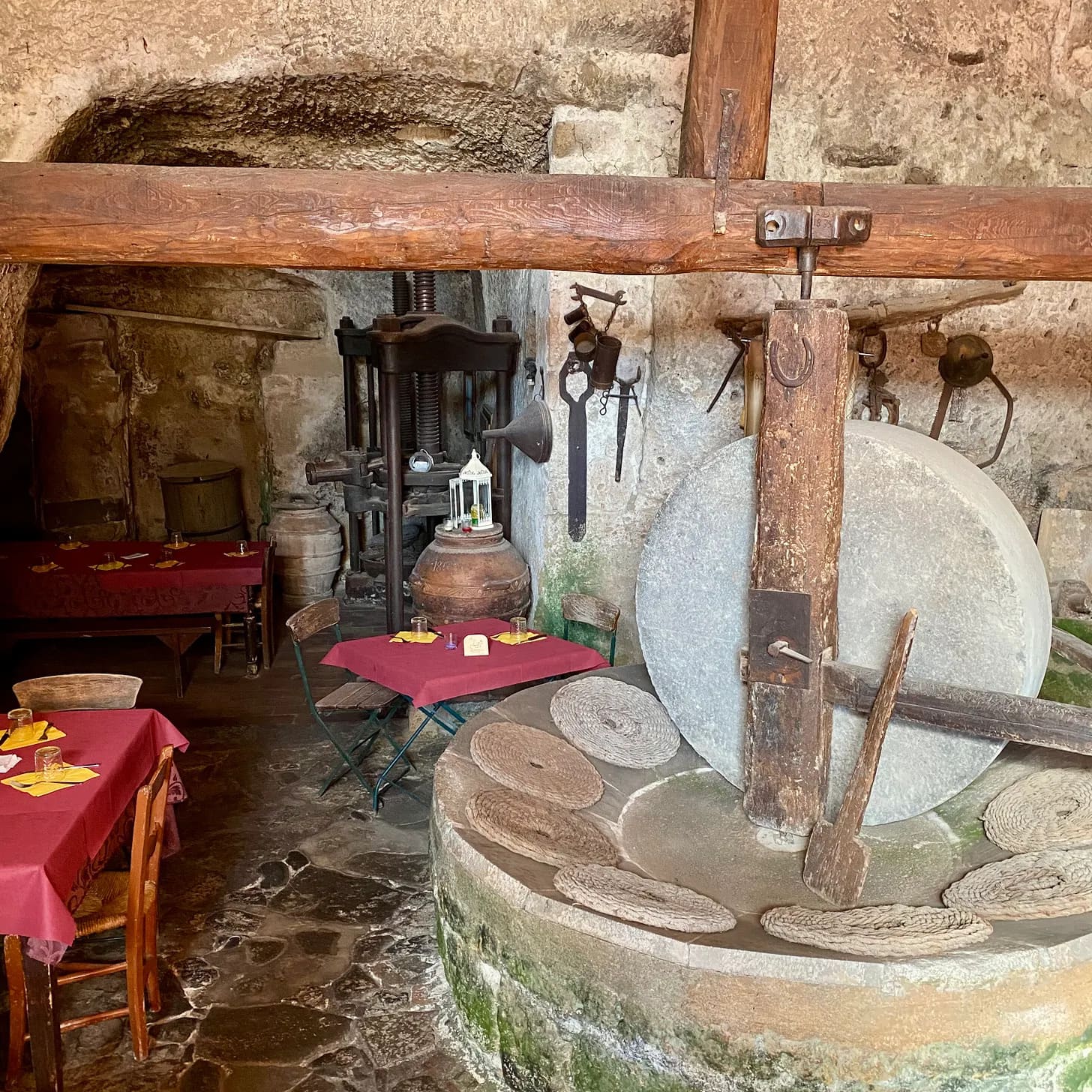
Whilst strolling through the streets, you’ll likely find your way to the Antico Frantoio, a 16th-century olive oil mill-turned restaurant that sells the agricola’s own olive oil and wine.
I imagine that centuries of candlelit dinners have been spent within the enchanting grotto. Even if you don’t stay for a drink, the owner, whose family has owned the mill for generations, is happy to offer a peek inside.
Where To Eat
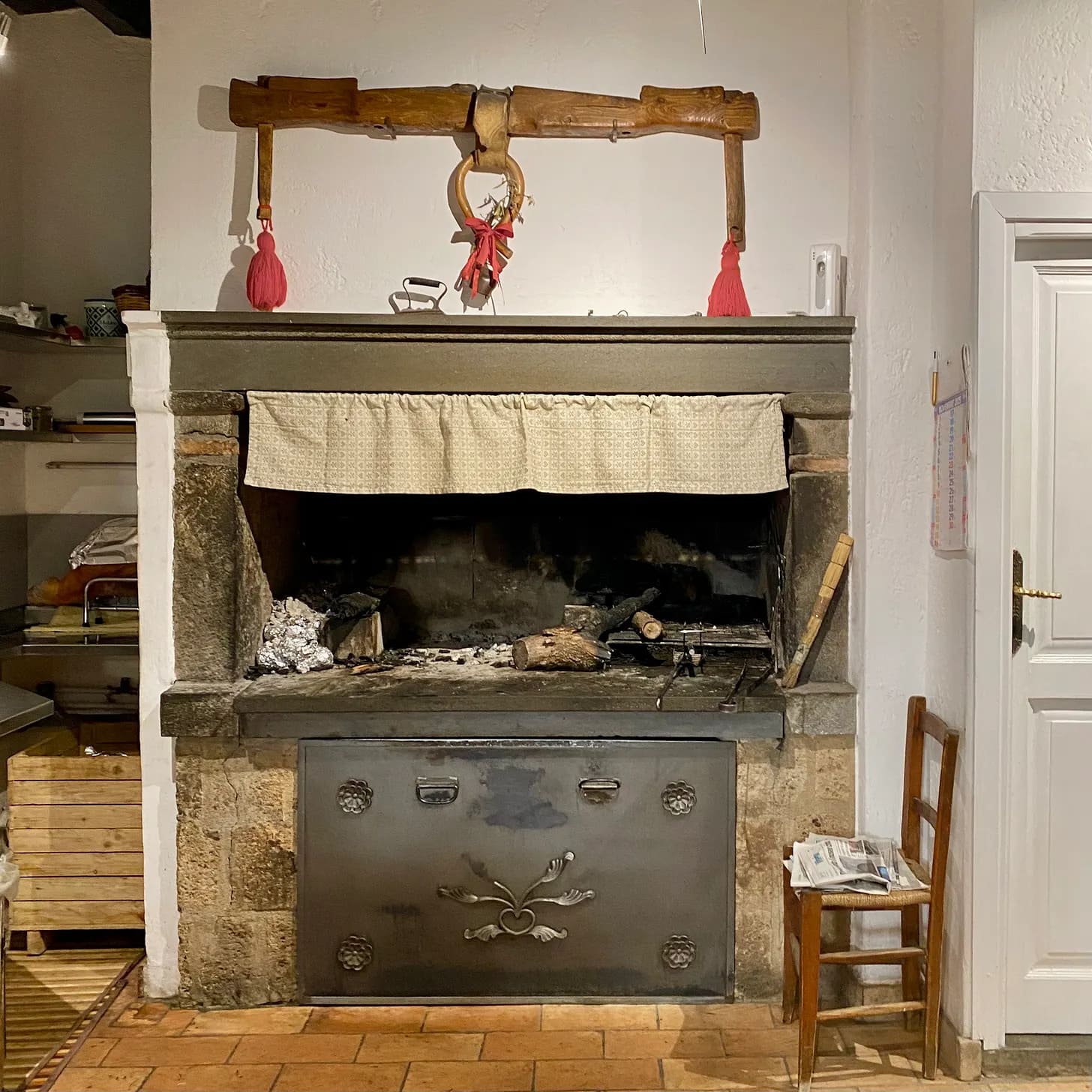
As the warm smell of burning firewood drifts through alleyways, a meal made over open flame feels mood-appropriate. La Cantina di Ariana delivers with fire-grilled meats and vegetables in a rustic restaurant that matches the cozy, medieval atmosphere. Along with char-grilled meats, they cook up delicious regional dishes that change by the month to match seasonal availability. Local favorites include pappardelle al ragù bianco, cicorie fritte, and handmade ravioli.
During warmer months, they offer patio seating where you can watch the stray cats wander about, exchanging pets for food.
Should you be craving a simple and affordable place to post up, La Bottega del Nonno Leone makes fresh panini with locally supplied meat. They have a full drink selection from soda to craft beer and local wine.
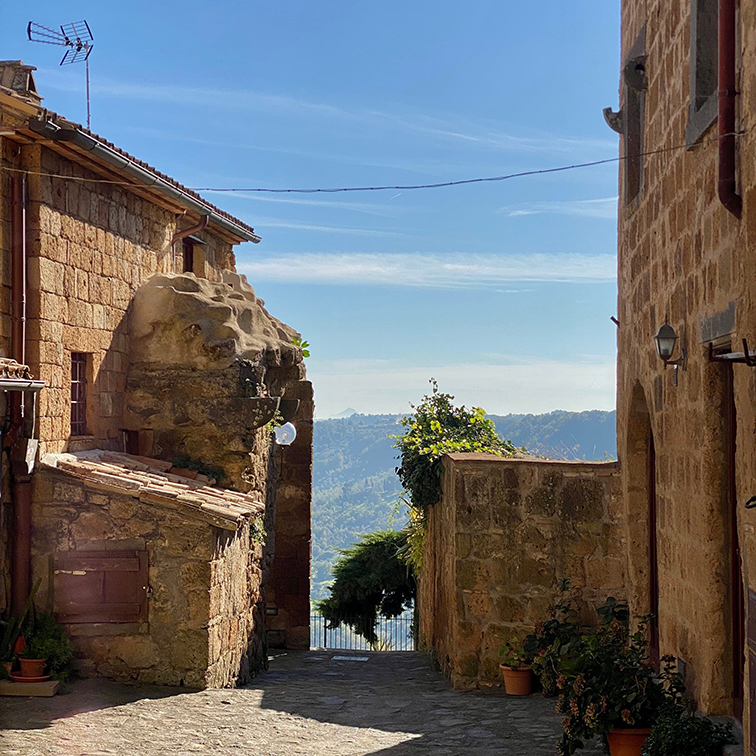
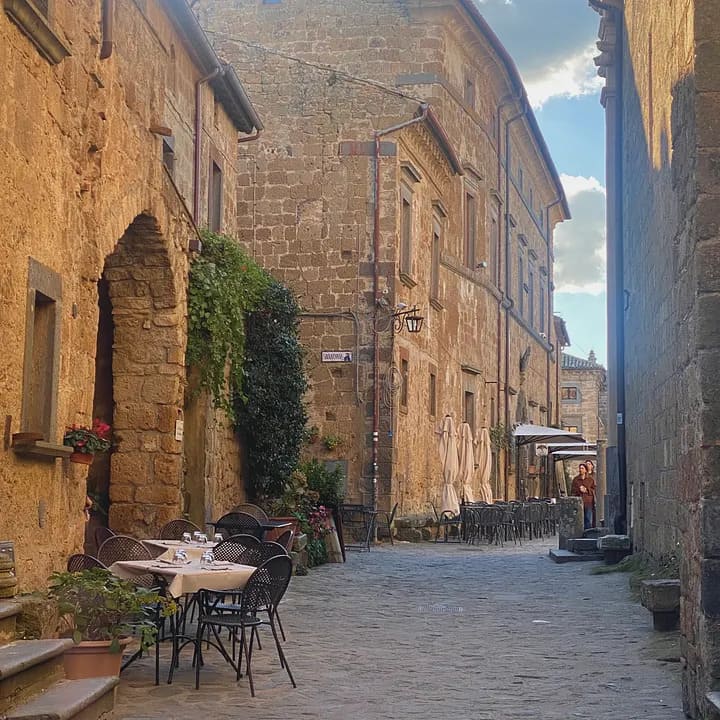
Venture an hour outside the eternal city, and you’ll find one waiting to end. Until Civita officially returns to ruins, it remains as a relic of people from millennias past. From the innovative Etruscans, who dug the drainage systems to keep the city standing, to modern Italian construction and preservation initiatives that keep the city alive today. As long as it remains, Civita exists as a symbol of wonder, a revisitation to the idea that fantastical places still exist in this world.
Visitor Information
Open Daily 8:00 AM – 8:00 PM
Entrance Fee: €5
People still live here. Please respect that many of the beautiful places you’ll encounter and photograph are family homes passed down through generations. Treat them kindly.
Are you ready
to start?
Immerse yourself in the greeneries of Tuscia
and learn from the experts in fields.